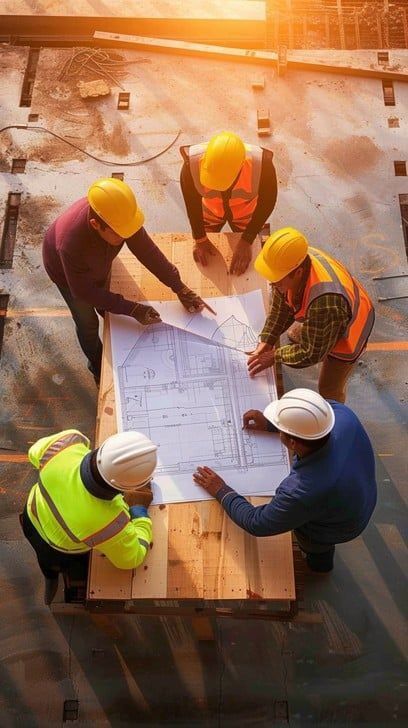
Planning a construction project is a complex process that requires careful coordination, strategic thinking, and proper execution. Whether you are building a residential home, a commercial property, or renovating an existing structure, having a well-defined plan is essential to ensure success.
A properly planned construction project not only saves time and money but also helps in avoiding costly mistakes and delays. In this guide, we will walk you through each step of the construction planning process in detail.
1. Define Your Project Goals
The first step in planning any construction project is to clearly define your goals. Ask yourself what you want to achieve with this project. Is it a residential building, office space, or a renovation?
Understanding your objectives will help you make informed decisions throughout the project. It will also guide your budget, design, and timeline.
2. Set a Realistic Budget
Budgeting is one of the most critical aspects of construction planning. You need to consider all possible costs, including materials, labor, permits, equipment, and unexpected expenses.
It is always a good idea to keep a contingency fund (around 10–15%) for unforeseen costs. Proper budgeting ensures that your project does not face financial issues midway.
3. Create a Detailed Design Plan
Once your goals and budget are clear, the next step is to create a detailed design plan. Hire an architect or designer to prepare blueprints and layouts according to your requirements.
Make sure the design complies with local building codes and regulations. A well-prepared design reduces confusion during the construction phase.
4. Obtain Necessary Permits
Before starting construction, you must obtain all required permits and approvals from local authorities. This step is crucial to avoid legal complications later.
Different types of projects require different permits, such as zoning permits, environmental clearances, and safety approvals.
5. Hire the Right Team
Your construction team plays a major role in the success of your project. This includes contractors, engineers, architects, and laborers.
Choose experienced professionals with a good track record. Always check reviews, previous work, and certifications before hiring.