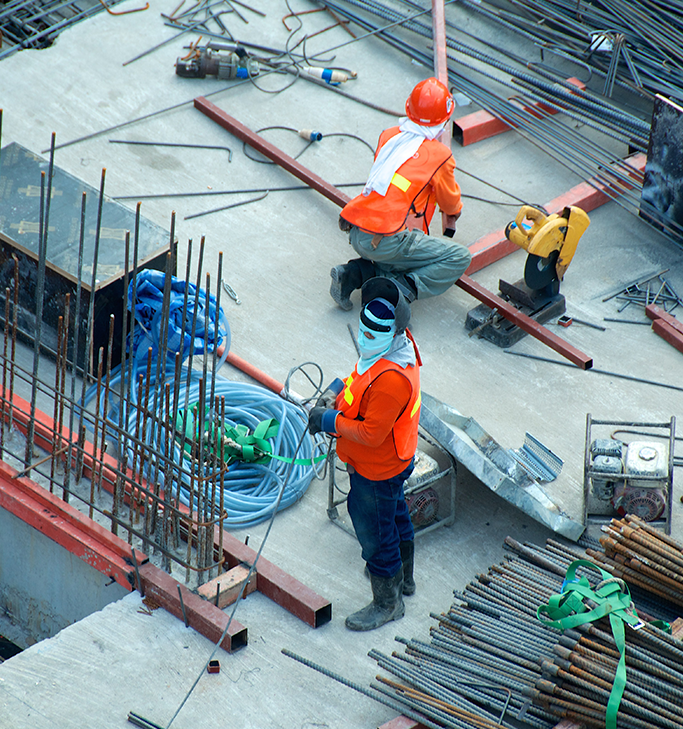
1. Sustainable and Green Construction
Sustainability is becoming a core focus in the construction industry. In 2026, more companies are adopting eco-friendly materials such as recycled steel, low-carbon concrete, and energy-efficient insulation. Green buildings are designed to reduce environmental impact while improving energy efficiency and indoor air quality. Governments and organizations are also encouraging sustainable practices through regulations and incentives. As a result, construction projects are now more environmentally responsible and cost-effective in the long run.
2. Smart Technology and Automation
Modern construction is rapidly integrating smart technologies like Artificial Intelligence (AI), Internet of Things (IoT), and automation tools. These technologies help in real-time monitoring, predictive maintenance, and better decision-making. Automated machinery and robotics are reducing manual labor and improving accuracy on-site. Smart construction not only increases efficiency but also minimizes errors and project delays, making the entire process more reliable.
3. Modular and Prefabricated Construction
Prefabrication is transforming how buildings are constructed. Instead of building everything on-site, components are manufactured in controlled factory environments and then assembled on-site. This method reduces construction time, minimizes waste, and ensures consistent quality. In 2026, modular construction is gaining popularity for both residential and commercial projects due to its speed, cost efficiency, and scalability.
4. Use of Drones and Advanced Monitoring
Drones are becoming an essential tool in construction projects. They are used for site surveys, progress tracking, and safety inspections. Drones provide accurate aerial data quickly, helping project managers make informed decisions. This reduces the need for manual inspections and improves overall project efficiency. Advanced monitoring tools also help in identifying potential risks early.
5. Focus on Energy-Efficient Buildings
Energy efficiency is a major priority in modern construction. Buildings are now designed with features like solar panels, smart lighting systems, and advanced insulation to reduce energy consumption. These innovations not only lower electricity costs but also contribute to a more sustainable environment. In 2026, energy-efficient construction is no longer optional—it is becoming a standard practice across the industry.
Conclusion
The construction industry is evolving with new technologies and sustainable practices. These trends are shaping the future of construction, making it faster, smarter, and more environmentally friendly.